Drone Surveillance and Data Analytics Push the Frontier in Screwworm Containment
Aggressive USDA response has reduced active New World screwworm cases in the United States to just five, thanks in part to targeted drone mapping, sterile fly releases, and intensive wildlife monitoring.
Tracking the Screwworm: Progress Through Precision Monitoring
The U.S. Department of Agriculture reports only five active New World screwworm cases currently under observation in the country, a sign of hard-fought progress against this parasite. Since the first U.S. detection just over two months ago, response teams have leaned on an aggressive program that combines targeted biological intervention with intensive digital field surveillance.
Agriculture Secretary Brooke Rollins credited this outcome to a combination of preparation and rapid action, stating that, “we had been preparing for 15 months.” The result: just 45 total cases as of early August, each animal fully recovering. Notably, there are no confirmed cases in wild or feral animals so far, a critical win, since established wildlife populations can quickly make containment impossible.
Sterile Fly Release Supported by Digital Mapping
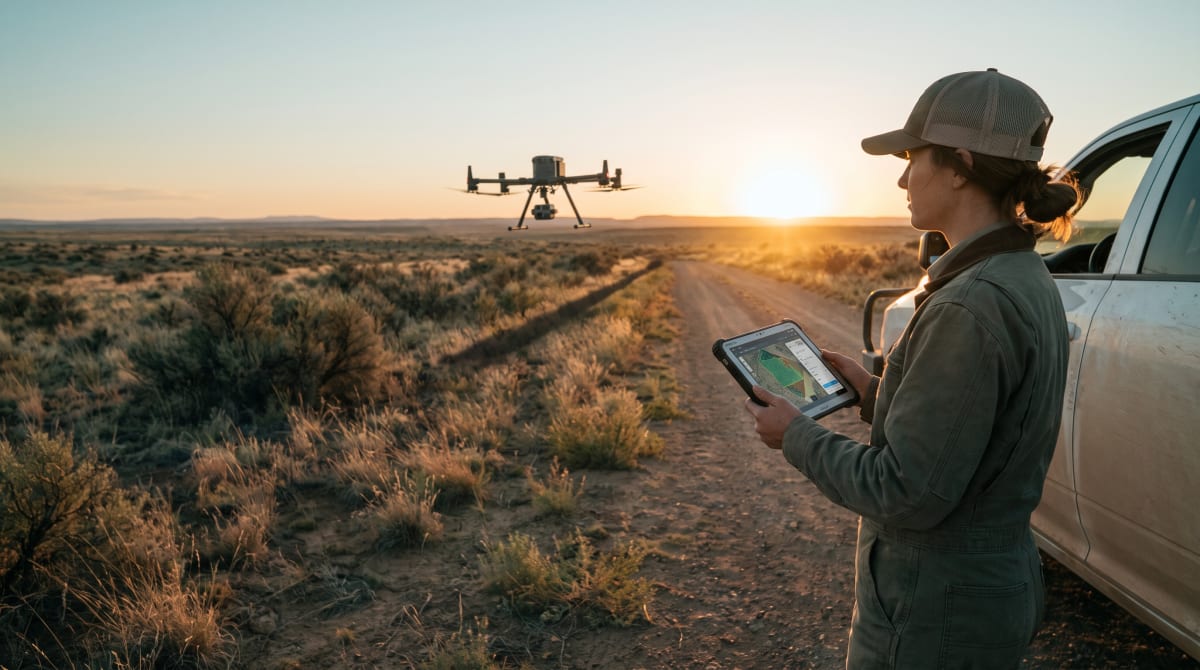
At the heart of the control program lies the sterile insect technique, a biological approach that disrupts the screwworm fly’s reproductive cycle. USDA has released more than 600 million sterile flies, a staggering number made practical only by precise logistics. Here, digital agriculture’s role has been decisive: more than 1,000 drone flights have been deployed to identify and map optimal release zones, ensuring coverage is both targeted and thorough.
Aerial surveillance data, both from fixed-wing mapping and low-altitude drones, enables teams to dynamically adapt release patterns as field conditions and reported cases shift. Real-time imaging supports decisions about when and where to escalate releases or concentrate other forms of monitoring.
Intensive Wildlife Survey: Scale Via Technology
The screwworm presents a unique challenge because outbreaks can spread to wildlife as well as livestock, making comprehensive monitoring essential. To date, the USDA has surveyed over 56,000 wild animals as part of its ongoing program, relying heavily on both sensors and field personnel. Drones play a key role not just in mapping but in allowing otherwise inaccessible areas to be monitored without disrupting sensitive natural habitats.
The success to date, no wildlife infections confirmed, hinges in part on the sheer reach of contemporary surveillance methods. Remote sensing, digital tracking, and visual identification from drone overflights multiply the workforce’s reach. This approach exemplifies how combining field expertise with technology can tighten the net on elusive biological problems.
Persistent Threats at the Border
While the domestic situation has improved, conditions in Mexico represent a persistent risk. Texas Agriculture Commissioner Sid Miller described the situation south of the border as an “explosion,” noting as many as 2,000 active cases and even 500 human cases. With these numbers, border states like Texas face a continuous risk of reinvasion, making cross-border surveillance and collaboration a necessity, not an option.
As cattle trade with Mexico is slated to resume, additional monitoring traps are being installed in high-risk locations, including around cruise ship terminals in Corpus Christi and Galveston. These sites, according to Miller, could be potential entry points for flies hitching rides from the Caribbean or Yucatán regions. The data these traps collect will feed directly into field response logistics, ensuring rapid detection if new flies appear.
Field Data in Action: Lessons for Growers and Land Managers
This outbreak and response reveal several enduring lessons for operations that span livestock, wildlife, and crop systems:
- Drone-enabled mapping and surveillance allow precise, dynamic targeting of intervention resources.
- Real-time field imagery and diagnostics dramatically expand situational awareness, especially at landscape scale.
- Season-long and season-over-season records support both the rollback of immediate threats and documentation of field recovery, critical for both regulatory reporting and livestock management.
For growers operating in buffer zones or with diversified field and animal systems, the USDA’s approach demonstrates the value of integrating aerial data for targeted monitoring, catching incursions early, pinpointing hotspots, and validating recovery without the logistical overhead of manual sweeping.
Coordinated Approach: Technology, Field Teams, and Policy
None of the technology tools, drones, sensors, mapping platforms, operate in isolation. Their effectiveness depends on being woven into a disciplined, adaptive response team and supported by data-driven policy. Just as critical, federal-state coordination is ongoing, as surveillance needs to be both locally precise and regionally aware, especially where cross-jurisdiction threats may emerge.
The screwworm episode is a reminder that digital agriculture’s true value emerges in the field, where fast-moving threats require equally fast, accurate responses. Managed by a blend of field intelligence, continuous aerial monitoring, and rapid adaptation, even major outbreaks can be held in check.
Looking Beyond Direct Intervention
The current experience with screwworm containment underscores that investments in digital field intelligence yield dividends beyond any one pest or season. Drone mapping, targeted field analytics, and surveillance records create an infrastructure that can be mobilized for many challenges: from livestock health and soil monitoring to risk detection and documentation for compliance. As these tools become more tightly integrated into day-to-day operations, from livestock on rangeland in Idaho to specialty crops under intensive management in Hawaii, the ability to turn data into decisive field action will define resilience for years to come.
Source: https://www.agdaily.com/livestock/usda-reports-just-5-active-new-world-screwworm-cases/