DJI Agras T50 for Precision Agriculture: Capabilities, Costs, and Real-World Performance
An in-depth look at the DJI Agras T50 spray drone, including specifications, real-world performance data, operating costs, and whether to buy your own or hire a professional service.
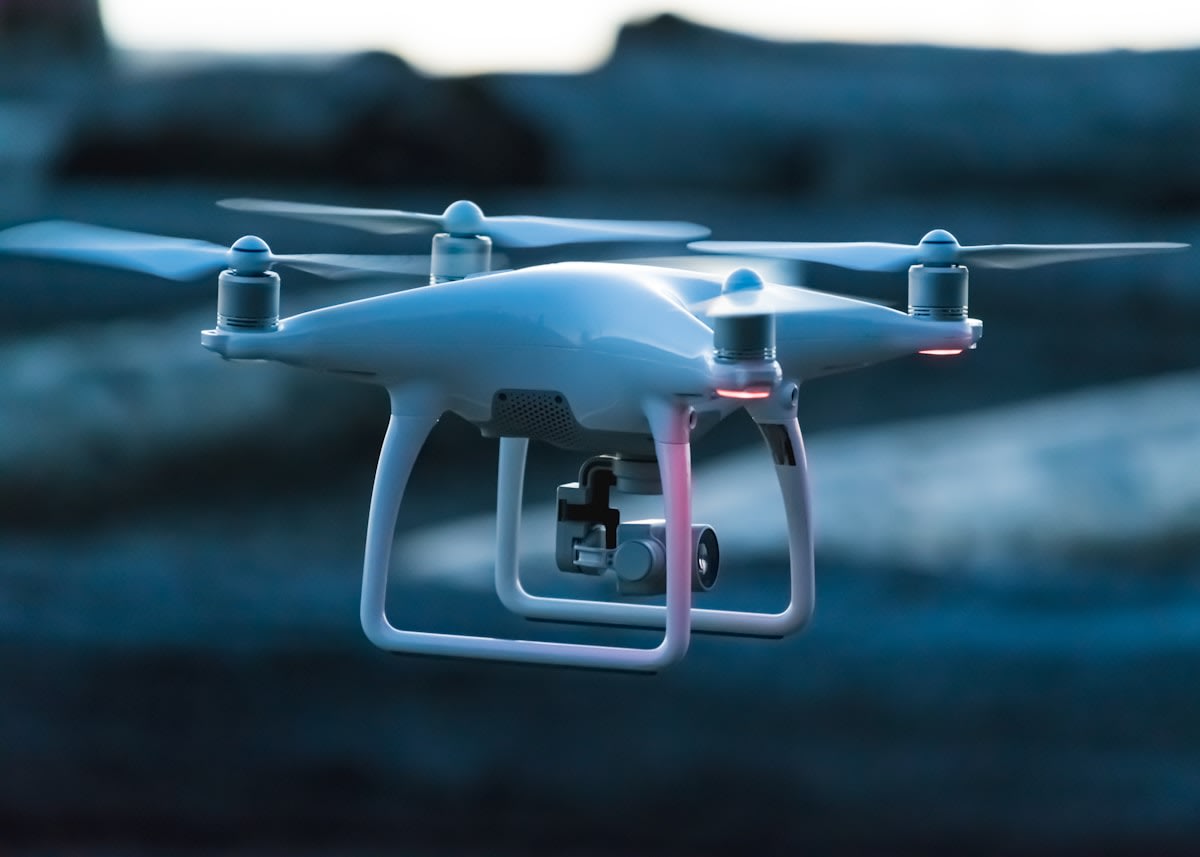
Why the DJI Agras T50 Dominates Agricultural Drone Operations
The DJI Agras T50 has established itself as the most widely deployed agricultural spray drone platform worldwide. Since its release, it has become the standard workhorse for commercial drone application services across North America, South America, and Asia-Pacific markets. Its combination of payload capacity, sensor integration, and autonomous flight capabilities makes it the benchmark against which all other agricultural drones are measured.
For AG AI PRO, the T50 forms the backbone of our Tier 2 precision operations fleet. After thousands of commercial acres across Arizona, Idaho, and Iowa, we have accumulated extensive real-world performance data that goes far beyond manufacturer specifications.
Specifications That Matter for Commercial Farming
Not all drone specifications are equally relevant to farming operations. Here are the numbers that actually impact field performance:
40-liter spray tank provides meaningful field endurance. At standard application rates of 2 to 3 gallons per acre, a single tank covers 10 to 15 acres before requiring a refill. For operations running multiple batteries and a ground support vehicle, this translates to 80 to 120 acres per day with a single aircraft.
16-meter spray swath with 8 nozzles delivers even coverage at operational flight speeds. The wide swath minimizes the number of passes required to cover a field, reducing flight time and increasing daily productivity.
Dual atomization spray system supports both centrifugal and pressure nozzle configurations. This flexibility allows operators to optimize droplet size for different applications, from finer droplets for foliar nutrient absorption to larger droplets for product applications where drift control is critical.
Active phased array radar plus binocular vision obstacle avoidance operates in all lighting conditions and detects power lines, trees, and structures. For agricultural operations near field edges, irrigation equipment, and utility corridors, this is not optional. It is essential for safe commercial operations.
RTK centimeter-precision positioning ensures consistent swath overlap and eliminates gaps or double-application zones. RTK accuracy of plus or minus 2 centimeters means every pass aligns precisely with the previous one, delivering uniform coverage across the entire treatment area.
Real-World Spray Performance
Laboratory specifications and field performance are different things. Based on our operational data across multiple crop types and geographies:
Effective daily coverage averages 80 to 100 acres per aircraft in standard spray operations, accounting for battery swaps, tank refills, and field transitions. Peak daily output in ideal conditions with experienced crews exceeds 120 acres.
Spray drift control in winds up to 15 mph is manageable with proper nozzle selection and flight parameter adjustment. Above 15 mph, operations should be suspended. The T50’s ability to fly at low altitude, typically 6 to 10 feet above canopy, inherently reduces drift compared to manned aircraft operating at 30 to 50 feet.
Application uniformity measured by coefficient of variation is consistently below 15 percent across flat terrain. On sloped fields, the terrain-following radar maintains consistent altitude above canopy, preserving application quality where ground rigs would struggle.
Cost Breakdown
Understanding T50 economics requires looking at total cost of ownership, not just purchase price:
Aircraft acquisition including batteries, chargers, RTK base station, and initial spare parts represents a significant capital investment. Financing and leasing options are available through DJI’s agricultural dealer network.
Operating costs per acre include product inputs, battery depreciation, maintenance reserves, and labor. For a professional operation running optimized logistics, direct operating costs typically range from 3 to 8 dollars per acre depending on application type and field size.
Maintenance is primarily consumable replacement: nozzles, pump diaphragms, propellers, and batteries. DJI’s modular design allows most maintenance to be performed in the field by trained operators without specialized tools.
When to Buy Your Own vs. Hire a Service
The buy-versus-hire decision depends on your annual acreage, application frequency, and operational capacity:
Buying makes sense if you manage over 2,000 acres of owned or custom-applied land, need application flexibility on your schedule, and have personnel capable of obtaining Part 107 and Part 137 certifications. The equipment pays for itself within 2 to 3 seasons at this scale.
Hiring a service makes sense if your acreage is below 2,000 acres, you need drone application for specific situations rather than season-long programs, or you prefer to focus on farming rather than drone operations. Professional services deliver the same technology without capital investment, certification requirements, or maintenance responsibilities.
For most commercial farms evaluating drone technology for the first time, starting with a professional service provides the data to make an informed buy decision later. You see the results on your own fields before committing to ownership.
The Bottom Line
The DJI Agras T50 is not the cheapest agricultural drone available. It is, however, the most proven platform for commercial-scale precision agriculture operations in North America. Its combination of payload capacity, sensor integration, autonomous flight capability, and parts availability makes it the lowest-risk choice for operations that depend on reliable daily performance across thousands of acres per season.
The question is not whether drone application technology works. The performance data from commercial operations worldwide has settled that debate. The question is how quickly your operation integrates it into your management program.